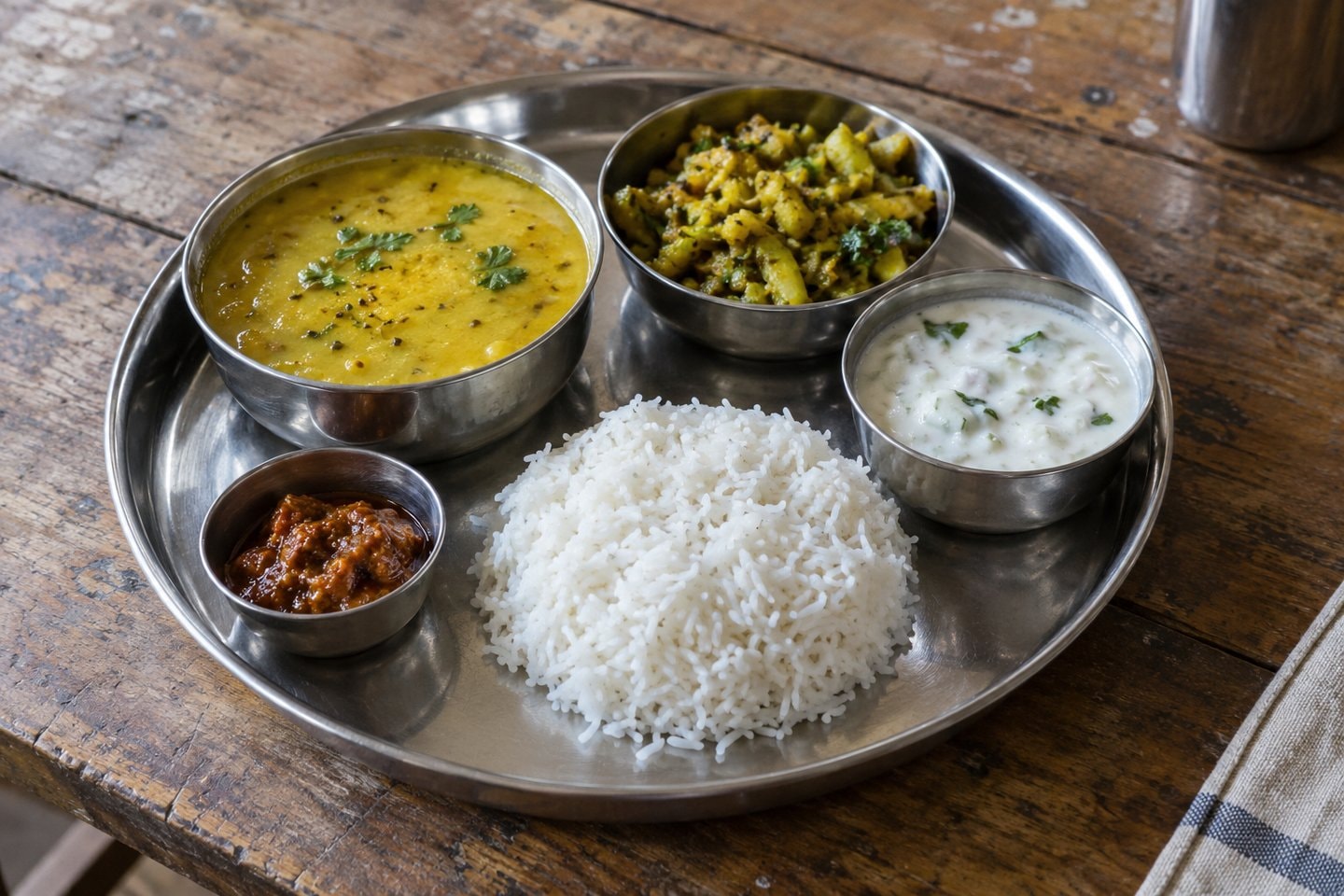
Soup names can refer to an ingredient, a method or a regional tradition. Wikipedia's article on dal uses the word both for dried split pulses and for soups made from them. Lentils, peas and beans appear in its definition. The same word can therefore describe what is in the kitchen and the cooked dish at the table. That is a useful starting point for a subject with many regional names.
Wikipedia's article on Indian cuisine places pulses among its staples and describes regional variety. It also describes adding spices fried in oil or ghee to a cooked dish. Soup and dal can be read within that broader setting of grain, pulses, vegetables and seasonings. The following accounts introduce foods through ingredients and preparation, with no measured recipes or claims about the body.
Dal as an ingredient and a dish
The dal article explains the name through a Sanskrit root meaning to split. It describes pulses used whole or split, with or without their outer hulls, and distinguishes those forms in culinary vocabulary. The ingredient is not always a lentil: pigeon peas, mung beans and chickpeas appear among the article's examples. Identifying the pulse makes a general dish name more specific.
In its preparation account, dal is boiled in water with seasonings such as turmeric, and a fried spice garnish is added. The article also describes versions incorporating tomato, unripe mango, jaggery or other ingredients for a sweet-sour flavour. The variation belongs to the particular preparation. A description can explain that difference without setting out amounts or a timetable.
The article describes the fried garnish through spices such as cumin, mustard, asafoetida and dried chilli, with ingredients varying by region and preference. It places dal alongside rice and flatbreads such as roti or chapati. These accompaniments matter to its culinary setting: the dish is often part of a meal whose components have different textures and flavours.
Lentil soup beyond a single region
Wikipedia's article on lentil soup describes lentils as its main ingredient and lists varieties of different colours. Dehulled red and yellow lentils break down during cooking and produce a thick soup. The article places lentil soup across Europe, Latin America and the Middle East, giving it a wider setting than the Indian kitchen alone.
The same article names vegetables such as carrot, celery, potato, tomato, pumpkin and onion among possible additions. Its flavouring examples include garlic, bay leaf, cumin and cardamom. It also describes garnishes such as herbs, yogurt or oil. These details explain how a soup can keep its defining ingredient while changing through additions and presentation.
Thus lentil soup is a broad culinary name. A particular version may be explained through the variety of lentil, the vegetables and the seasoning, rather than by assuming that every soup bearing the name is alike. The description of lentils breaking down also gives a concrete explanation for a thick texture.
Sambar and its South Indian setting
Wikipedia's article on sambar describes it as a South Indian lentil-based vegetable curry or stew made with pigeon peas and tamarind broth. The account identifies both pulses and vegetables, with tamarind distinguishing the broth. It also notes that the recorded history of the dish is vague. That caveat is more useful than treating a colourful origin story as settled history.
The article describes regional differences in vegetables, condiments and methods, including versions with coconut. It places sambar beside dosa or idli and also describes it mixed with rice. These details locate a bowl within a regional meal. The vegetarian kitchen guide introduces other staples and accompaniments that give such dishes a wider culinary context.
Mulligatawny and adaptation
Wikipedia's article on mulligatawny traces the soup to rasam in Tamil cuisine and describes substantial change during its adoption into Anglo-Indian cooking. Its name is explained through Tamil words for black pepper and water. The name and the history of adaptation are both part of understanding the dish.
The article describes great variation in recipes. Lentils appear in southern Indian versions; other accounts use fried onion and spices with meat. Mulligatawny's name alone therefore does not identify a vegetarian soup. Its particular ingredients matter. The history can be acknowledged while a vegetarian kitchen keeps attention on the foods actually present in the preparation.
Reading the meal around the bowl
The page on ghee explains a cooking fat that appears in the seasoning traditions described here. The chai and herbal teas page turns from bowls to drinks. Each food is introduced through its own ingredients and context, allowing the names to become useful descriptions of a meal.